Recipes>Baking Recipes
No Knead Sourdough
by Matthew Jones, Justin Gellatly, Louise Gellatly from Baking School: The Bread Ahead Cookbook
Makes a happy 1kg loaf
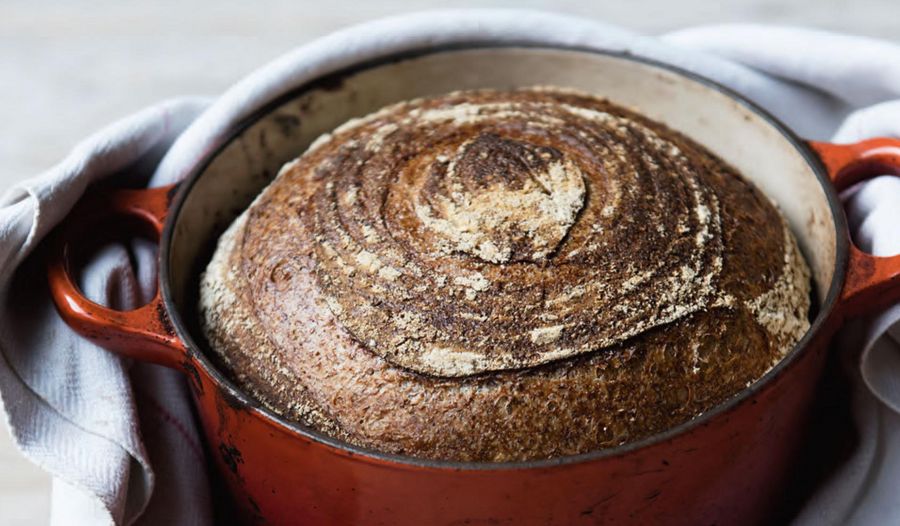
A straightforward recipe for sourdough from London’s Bread Ahead bakery team. With these clear instructions and a little time, it’s easy to make delicious sourdough bread.

Discover more delicious Bread recipes
From sandwich loaves to sourdough
From the book
Baking School
Justin Gellatly, Matthew Jones, Louise Gellatly
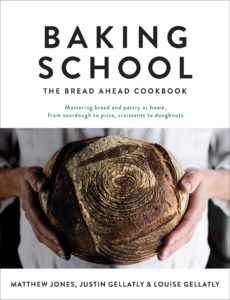
Baking School: The Bread Ahead Cookbook
A masterclass in baking from Bread Ahead

Inspiring recipes for sweet and savoury bakes

Bread-making made simple
Buy From
Introduction
At Bread Ahead, we believe everyone can fit great bread-making into their lives. This no knead sourdough recipe is perfect no matter how busy a schedule you have, and it produces an amazing loaf.
Tags
Ingredients
| 500g | strong white bread flour, plus extra for dusting |
|---|---|
| 150g | rye starter (see ingredients and instructions below) |
| 350g | water |
| 11g | fine sea salt |
| Semolina, for dusting | |
| For the rye starter: | |
| 50g | wholegrain rye flour for day 1, plus 1 tbsp each day for days 2, 3, 4 and 5 |
| 50g | cold water for day 1, plus 1 tbsp each day for days 2, 3, 4 and 5 |
Essential kit
You will need a Dutch oven (cast-iron casserole) or a baking stone and a razor blade. If using a baking stone, you will also need a water spray and a baker’s peel or wooden board.
Method
You will need to prepare your rye starter at least five days in advance. On day 1, just mix the flour and water together. Cover with a tea towel and leave at room temperature for 24 hours. Each consecutive day, add 1 tablespoon of flour and 1 tablespoon of water to your existing starter, and mix. By day 5 it should be nice and lively, with some bubbling and a slightly alcoholic aroma. Store in the fridge in an airtight container and use at least once a fortnight. Before use, feed with 75g of rye flour and 75g of water (or whatever volume your recipe requires) and leave at room temperature for 8 hours.
Once your starter is ready to use, you can make your sourdough.
Day 1: Place the flour in a large mixing bowl. In another bowl, add the starter to the water and mix (your starter should float in the water). Make a well in the centre of the flour and pour in the liquid.
With your hand like a fork, gently bring the dough together (don’t overmix – at this stage you just want to combine until the flour has cleared). Cover and leave at room temperature for 1 hour.
In this recipe, we use the delayed salt method. This gives your starter time to become active and your flour time to absorb water before the salt is added.
When the hour is up, uncover your dough and place the salt on top. Sprinkle a little water over the salt, then gently start pulling the salt through the dough. This should take about 30 seconds, at which point you should feel your dough start to tighten up slightly.
Cover your dough and place in the fridge for 12-24 hours.
Day 2: Take your dough from the fridge and uncover. It will be a lot firmer now and will be starting to resemble a fully mixed dough.
You now need to give your dough a fold. This will start to develop the gluten, reactivate the yeast and put air pockets into the dough.
First, pick up the top two corners of the dough and pull up, stretching the dough upwards, then fold over to the opposite side (the first corners should meet the opposite two corners). Next, pick up the bottom two corners and again pull up, stretching the dough up and over, and fold to the opposite side. Now repeat for the left- and right-hand sides, then flip the whole of your dough over, so the bottom becomes the top.
Rest it for half an hour, then take your dough out of the bowl and give it a gentle pre-shape (the easy way to do this is to cup your hands and tuck the sides of the dough underneath until your hands meet, then rotate the dough clockwise, repeating the tuck, and rotate until a full circle is reached. It doesn’t need to look pretty). Cover and leave for 10 minutes.
Heavily dust your proving basket with flour, then shape your dough into a nice tight round by bringing the edges of your hands together (palms facing up) underneath the loaf as you turn it on your work surface. This will create good tension in the loaf.
Place the dough upside down in the proving basket and leave to prove for 1 hour at room temperature. Cover and place in the fridge for another 8-12 hours.
Day 3: Take your dough out of the fridge and leave it to rise for about 2 hours.
Pre-heat your oven to 250C / fan 230C / gas 10, or as hot as it will go.
Once your oven is ready, put a Dutch oven (cast iron casserole) or baking stone in to heat up. Get your water spray ready if you are using a baking stone.
If using a Dutch oven, very carefully take it out of the oven. Sprinkle the loaf with semolina and gently place top side down in the Dutch oven. Using a razor blade, cut two slashes in the dough. Put the lid on, place in the oven and bake for 35 minutes, then remove the lid and bake for a further 25 minutes.
Take the Dutch oven out and very carefully remove the loaf, then put it back into the oven, directly on the oven shelf, and bake for a further 10 minutes, depending on how much singe you like.
If using a baking stone, gently and slowly turn out your loaf onto a baker’s peel or a wooden board. Using a sharp knife or a razor blade, cut two slashes on the top of the loaf, then slide it off the peel on to the baking stone in the oven. Heavily spray inside the oven with your water spray, and bake for 30 minutes. After 30 minutes, turn your loaf around and bake for a further 25 minutes, depending on how much singe you like.
Once baked, place on a rack to cool.
Reviews
3 out of 5 stars
1 Ratings
Have you tried this recipe? Let us know how it went by leaving a comment below.
Cancel reply
Your review
Name *
Our team will respond to any queries as soon as we can - this may take longer over weekends. You do not need to resubmit your comment.
Please note: Moderation is enabled and may delay your comment being posted. There is no need to resubmit your comment. By posting a comment you are agreeing to the website Terms of Use .
Be the first to leave a review
Ingredients
Method
More Recipes from Baking School
View all

Bread Ahead Handsome White Loaf
by Matthew Jones, Justin Gellatly, Louise Gellatly from Baking School
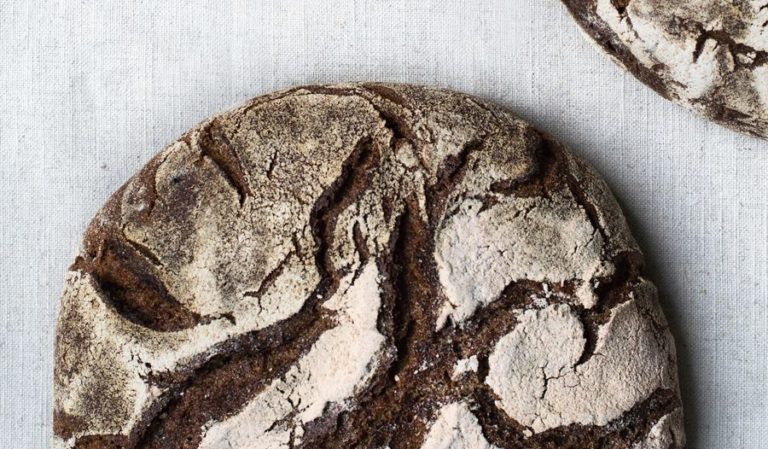
Bread Ahead Rye Sourdough
by Matthew Jones, Justin Gellatly, Louise Gellatly from Baking School
More Bread Recipes
View all
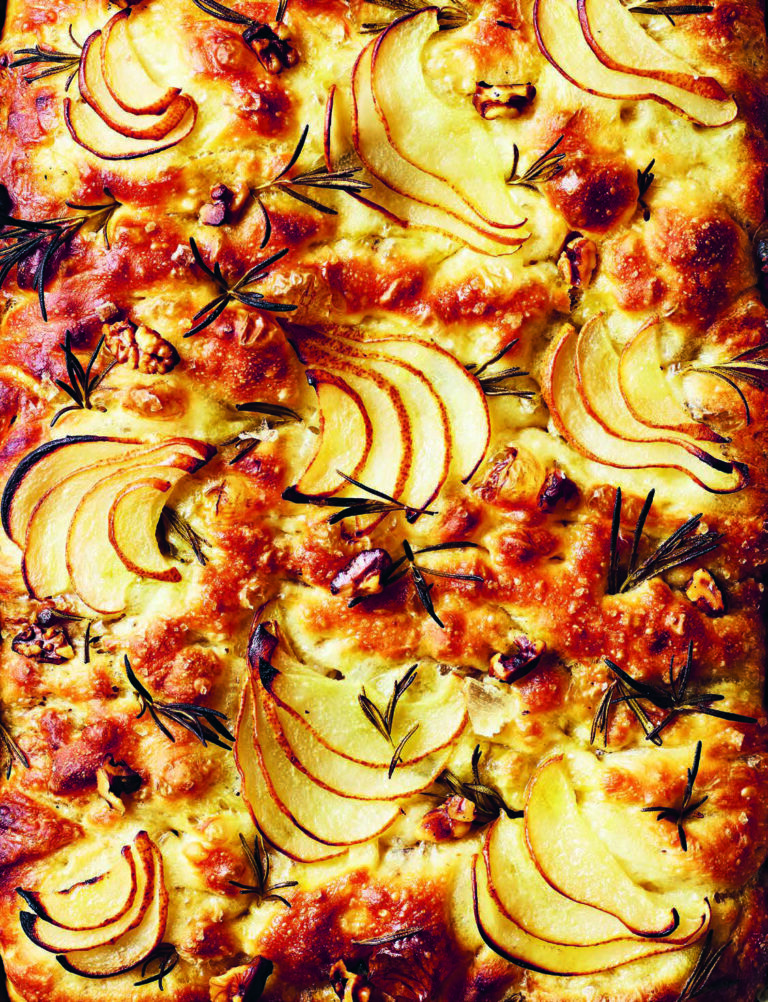
Pear, Walnut and Rosemary Focaccia
by Lacey Ostermann from 3 Doughs, 60 Recipes

Same-day Focaccia
by Lacey Ostermann from 3 Doughs, 60 Recipes
More Baking Recipes
View all
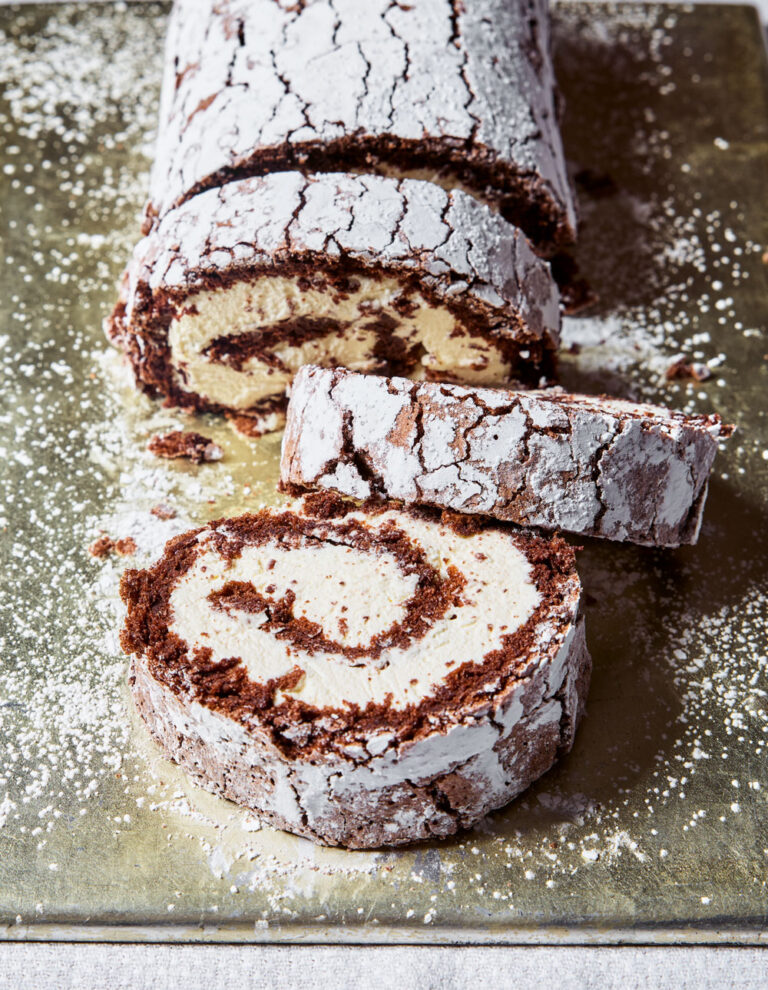
Mary Berry’s The Ultimate Chocolate Roulade

by Mary Berry from Mary 90: My Very Best Recipes

Cinnamon Stars – Zimtsterne
by Anja Dunk from Advent

Get our latest recipes, features, book news and ebook deals straight to your inbox every week
